All Categories
Featured
Understanding Your Corporate Wellness Initiative Costs
Table of Contents
Offering health benefits is a significant choice for services. Use as a resource for more information about medical insurance products and services for your employees.
Here's one circumstance: 10 $250,000 total, or $25,000 per worker $70,000 $35,000 (50% of company's contribution).
Choosing to provide medical insurance is among the biggest moves a little company owner can make. It's likewise one of the most complex. In between soaring costs and complicated rules, discovering a strategy that helps you land fantastic people without wrecking your budget plan can feel like an uphill struggle. This guide will walk you through the real-world you have today, cutting through the lingo to provide you a clear roadmap.
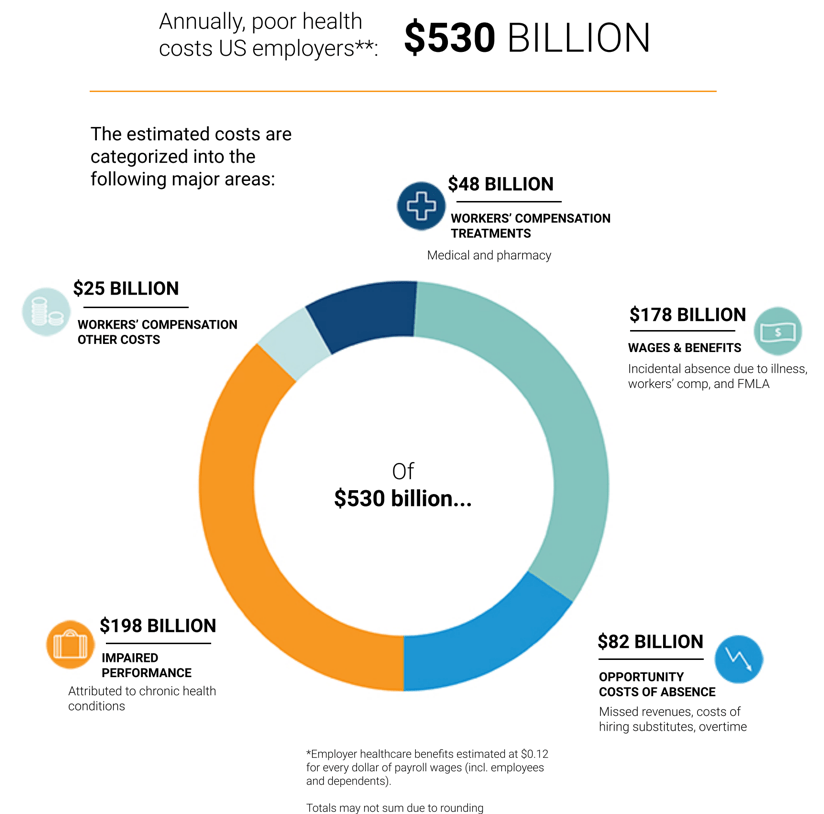
Let's be realisticthe economic photo for the majority of small organizations is tough. The typical cost of employer-sponsored medical insurance keeps climbing quicker than inflation and incomes, putting a severe capture on smaller business. This pressure is specifically intense for businesses with fewer than 100 workers, where tough choices about what you can pay for to use are becoming the norm.
How Small Businesses Require Better Medical Coverage
This guide is created to assist you navigate those decisions. We'll compare whatever from traditional group plans and contemporary reimbursement designs like HRAs to tactical options like PEOs. The goal is to give you the confidence to select a benefits technique that actually supports your company's growth, keeps your group pleased, and safeguards your bottom line.
It sends a clear signal: you appreciate your group's well-being and you're invested in them for the long haul. Still, the financial pressure is real, and it requires owners to find a sustainable happy medium. The trick is to stop considering "purchasing a strategy" and start developing an advantages method.
You need a service that works for you, not just for the insurance business. A good starting point for any entrepreneur is the federal center for small company health alternatives, which lays out the basics. This main resource covers the essentials, like finding out if you're qualified for certain programs and exploring what's readily available through the store marketplace.

Think of this guide as the next stepyour useful playbook for turning that fundamental understanding into a smart, sustainable decision for your business. For many little companies, the initial step into offering health advantages starts with the options everybody's most acquainted with. These standard and market plans are frequently the foundation for providing protection, providing structures that are easy for both you and your workers to understand.
Comparing Health and Vision Benefit for Local Firms
The most classic design is the. You can think of this like a simple subscription for your company's medical insurance. You pay a repaired regular monthly premium to an insurance coverage provider, and in return, they handle all the financial danger for your staff members' medical claims. The most significant upside here is predictability.
That stability does come at a cost. Little organizations often get struck with steep premium walkings year after year with extremely little description or control, particularly if the group has a bad claims year. To make finding and comparing these group plans a bit simpler, the federal government developed the market.
Independent Insurance AgencySHOP lets you compare various ACA-compliant plans from numerous insurance companies side-by-side, assisting you discover protection that fits both your spending plan and your group's requirements. Among its standout features is the Small company Health Care Tax Credit. To qualify for this credit, which can cover to, your company normally must: Have less than full-time comparable staff members.
Expert Guidance for 2026 Local Business Health Plans
Contribute at least toward your workers' premium expenses. Purchase a strategy through the store market. The SHOP marketplace was created to level the playing field, offering small companies access to choices and possible tax breaks that were as soon as much harder to get. It standardizes the entire shopping experience, making it simpler to weigh your alternatives based upon cost, network, and protection.
Some states run their own marketplaces, while others utilize the federal platform. Getting the information right is an important part of making an informed decision, particularly since guidelines can shift.
By pooling their workers, they can often negotiate better rates and terms than any one small organization might get on its own. The main appeal of an AHP is utilizing that cumulative bargaining power to drive down premium costs. This technique comes with its own set of trade-offs and complexities.

Table of Contents
Latest Posts

Comparing Health and Dental Insurance for Small Firms

Combining Company Insurance into Small Business Wellness Strategies
Professional Insights on 2026 Small Business Benefits
Latest Posts
Comparing Health and Dental Insurance for Small Firms
Combining Company Insurance into Small Business Wellness Strategies
Professional Insights on 2026 Small Business Benefits